

Why Stoves Electric Are the Green Choice
One Brooklyn co-op recently replaced its gas stoves with electric stoves, which include both radiant and induction models. The switch will help save money for the co-op and eliminate expensive gas line repairs, inspections and Local Law 97 requirements.
In contrast to gas stoves, electric stoves produce no carbon dioxide or other harmful emissions during operation. The energy to power your electric stove is generated by renewable sources like solar or wind.
They are safer
In the past many homeowners have been cautious about replacing their gas stove with an electric model. This fear is a result of the hysteria sparked by pundits and politicians who claimed that government bureaucrats were threatening to pull gas stoves from their walls. However, the reality is that there are a lot of benefits to going electric instead of gas. This includes a sleeker design and a lower price initially. They are also easier to clean and are more efficient in energy use.
According to consumer reports, gas stoves release pollutants that are detrimental to the health of humans. These pollutants can irritate airways and trigger asthma especially in children. These emissions contribute to outdoor pollution and greenhouse gases. Gas stoves are a cause for concern and some local governments have banned their use for new construction. As a result more people are choosing to install electric stoves in their homes.
Gas stoves are more expensive to run than electric stoves because they require gas piping and are less efficient in energy use. They are also vulnerable to breakdowns and require regular maintenance. On the other side, electric stoves provide superior reliability and are more efficient in terms of energy consumption. They also offer more precise temperature control and can be used in power outages. Furthermore, they are less difficult to clean than gas stoves as they do not have grates that may get clogged with food particles.
It is ultimately the homeowner's responsibility to choose the best stove they want to install at home. It is important to remember that electric stoves are most well-known. However, the choice should be based on their personal preferences and home set-up.
There are three kinds of electric stoves: coil-top, glass-top and induction. The two stoves listed above are similar in that they utilize 120 volts for heating their burners. However induction stoves differ from conventional electric stoves since they use magnetic technology to heat cookware, instead of using metal coils. Although they are more energy efficient than coil stoves, induction stoves carry higher prices.
It is more efficient.
There are numerous reasons to switch from the gas stove to an electric one with the most important being their higher efficiency. The initial cost is higher, however, electric stoves can save money over time due to their lower operating costs. They also have a smaller carbon footprint. This makes them a good option for green homes.
The way electric stoves make use of energy is more eco-friendly than a gas stove. While a gas-powered stove utilizes natural gas, which is obtained from the process of fracking while an electric stove makes use of electricity, which is generated through a variety of renewable sources like wind and solar power. Electric stoves also do not emit the combustion byproducts of a gas stove.
While the click the hiss and glow of a glowing blue flame is appealing to cooks of all kinds, the truth is that it comes with hidden costs for both humans and the environment. Numerous studies have revealed that natural gas stoves can be harmful to both the human body as well as the environment. Chefs like Tu David Phu have switched to electric stoves, and they encourage others to do the same.
In a gas-powered stove the energy that produces the blue flame is released into the atmosphere and contributes to heat-trapping emissions that lead to climate change. The reason for this is that natural gas has to be extracted from the earth and methane is released into air in the process. Furthermore methane leaks can occur at every stage of the supply chain from production to delivery.
When using a gas stove to cook food, the chemical combustion products that are produced by the natural gas are released into the air. These ultrafine particles and gases can cause asthma symptoms in children. These substances are irritating and can increase asthma symptoms, especially in children. In addition, the combustion of gas generates nitrogen oxide, which can aggravate respiratory problems and can be harmful if breathed in.
Electric stoves, on the contrary, do not emit these substances into the air. While the electricity that powers electric stoves can be derived from coal, innovations in wind and solar energy make this a greener option. A new generation of electric stoves is so efficient they not only lower the cost of your home, but they also reduce the environmental footprint.
It is also less expensive
Electric stoves are typically less expensive than those powered by gas. look here are cheaper upfront and have lower operating costs due to their high-efficiency technology. Moreover they can be used in the event of a power failure. They are also much safer to use since they operate using burner surfaces or heated coils rather than open flames. This feature is particularly useful for families with children who may be tempted to fiddle with knobs or stick their hands into hot spots.
Another benefit of electric stoves is that it's much easier to clean. Instead of multiple grates, they have a single, smooth surface that is easy to clean. Furthermore the heat is measured on a dial, which makes it easier to know exactly what temperature you're cooking. However, this could be a disadvantage, since it may take some time to adjust to the temperature.
It's also important to note that gas stoves emit pollutants into the air, which could impact the health of people. While the gas industry claims that these emissions are safe but federal agencies are looking into more stringent regulations that could reduce their impact on the quality of indoor air and climate change. These changes could result in a ban of gas stoves in the future.
There's also the fact that gas stoves require a gas line in order to operate, which a lot of homeowners don't have. It is possible to put in one however, it can be costly and time-consuming. Meanwhile, electric stoves only require a power outlet which most homes already have. This makes them an excellent option for older homes, and also for those that are on less budgets.
A lot of people are eligible for rebates, including on stoves, that are energy-efficient. This program is part of the IRA's High-Efficiency Electric Home Rebate. It has not yet been launched, but will be available in the majority of states by end of the year. These rebates will make switching to an electric cooktop a more affordable option for a lot of consumers. Electric stoves are also less expensive in the long term than gas stoves and they can cut down on household energy bills.
They are environmentally friendly
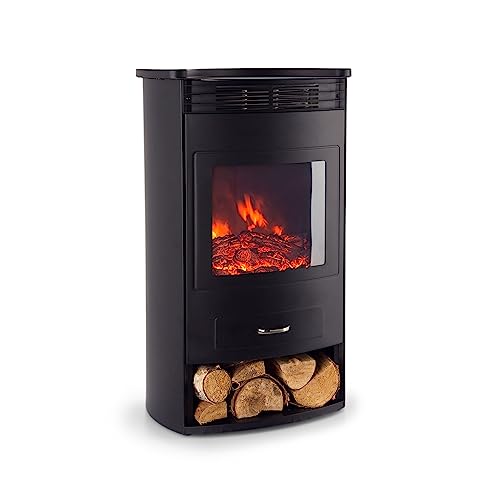
When it comes to lowering carbon emissions, stoves electric are the best choice. Gas stoves release harmful poisons like carbon monoxide benzene, and nitrogen dioxide, which are linked to health issues such as dizziness nausea, headaches, confusion and breathing problems. Moreover, they can also create indoor air pollution, which has been found to contribute to an increased incidence of asthma in children.
These issues are causing gas stoves to be replaced with more efficient electric cooktops. Electric ranges are not just cheaper to run than gas stoves but they are also more sustainable for the earth. In contrast to gas stoves, which rely on natural gas, electric stoves can run on electricity from renewable sources. This makes them a more green option for every household.
Electric stoves are also safer than gas stoves. Since they don't use an open flame, they are safer than gas stoves, and don't generate the same amount of smoke. Plus, they can cook larger food items, such as stockpots, faster and more efficiently than gas stoves. Additionally the coils of an electric stove cool off quicker than the ones on a gas stove. This means that pots and pans will not catch fire and cause fire, which is essential for families with children or elderly people.
It's important to consider the environment when choosing an electric stove. It's true that fossil fuels are used to power electric stoves, but it's nearly as bad as you may think. In reality, it's an extremely safe form of energy than coal or oil. In addition, you can obtain the power to run your stove using wind or solar power, both of which are renewable sources of energy.
Many cities have banned gas hookups for new buildings despite the fact that the government doesn't have any regulations for the indoor air pollution caused by gas stoves. The government provides rebates worth billions of dollars to encourage people to switch to electric stoves. Electric stoves are more affordable and well-known thanks to these incentives, along with the advancement of green technology.